
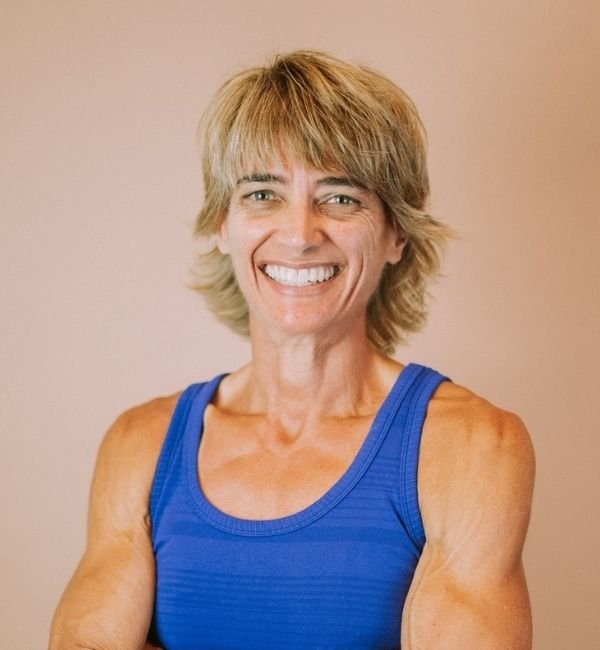
Tracy Coke, PT — A Story-First Bio
Tracy Coke has spent more than 30 years as a physical therapist helping people stand taller, move easier, and feel steady on their feet again. She’s worked in home health and ran an outpatient clinic, guiding thousands of patients through the maze of weakness, pain, and balance loss that can sneak up in our 50s and beyond. Ask the people who know her best and they’ll tell you the same thing: Tracy has a gift for making the hard feel doable.
That gift was forged in the middle of real life.
In the past few years, Tracy became the primary advocate for her mother, Carol, who began showing signs of dementia and started falling—often. Tracy moved her mom closer, navigated the paperwork and care home logistics, and then did what she does best: she showed up every day with simple, targeted movement sessions. Carol had suffered at least ten falls in the previous year. After Tracy’s daily work with her, Carol went eight straight months without a fall. For Tracy, that wasn’t just a clinical win; it was a lifeline—proof that small, consistent steps can change the slope of someone’s future.
Tracy’s family journey sharpened her focus and deepened her empathy. She lost both of her brothers—one at 56 and one at 57—tragedies linked to health complications and preventable decline. Watching people she loved struggle to walk, to balance, to live the everyday moments we all want to keep—those stair flights, those trips outside—turned her professional calling into a personal mission.
That mission is clear: help people over 50 who feel weak, wobbly, and worn out rebuild confidence, strength, and energy—simply, safely, and at home.
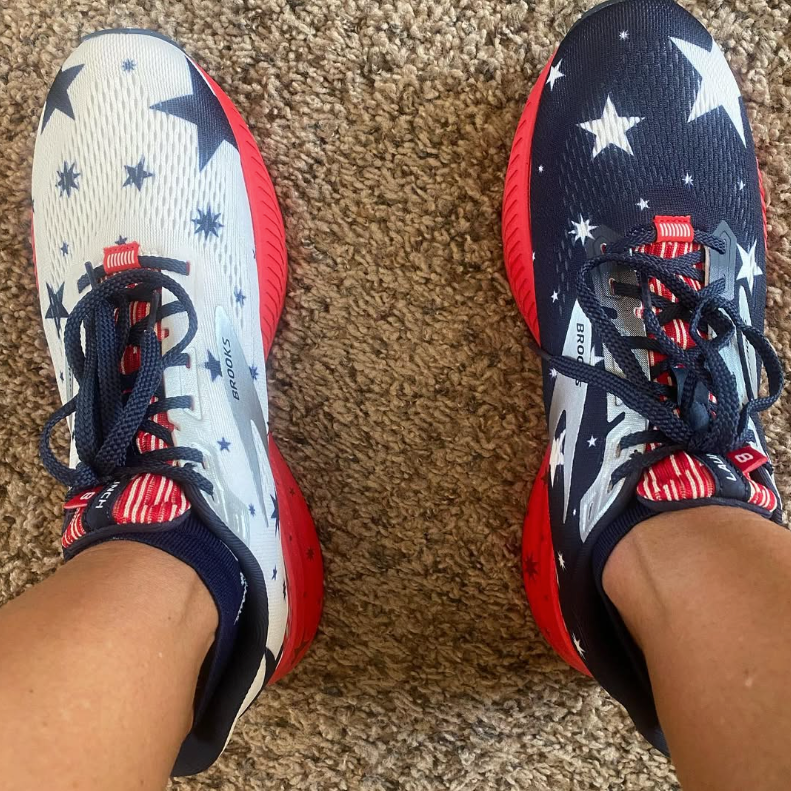
Tracy’s approach is deliberately different from the “just do more squats” advice so many hear. She starts at the feet—the foundation for everything above. Years in shoes and tight toe boxes mute the sensory feedback your brain needs to know where you are in space. Tracy restores that foundation first with mobility and activation for the feet and ankles, then builds upward into the hips and trunk. Only when the body moves better does she layer in strength—and then, once the system is awake and stronger, she challenges balance intentionally. Mobility → Strength → Balance. It’s logical, it’s science-based, and most of all, it’s kind to the body that has to do the work.
She’s also incredibly practical. Tracy designed her program so it can be done at home with nothing more than a chair and a wall. No gym membership. No complicated gear. She knows the people she serves have lives—jobs, grandkids, appointments, and errands—and the last thing anyone needs is a plan that becomes another burden. Three sessions a week for 20–30 minutes will move the needle. And on the toughest days, five honest minutes still count. “It’s never too late,” she says. “Where you are now is just your starting point.”
Tracy refuses the idea that “you’re just getting old—live with it.” She’s seen too many retirees cancel dream trips because they couldn’t walk the cobblestones, too many folks gripping arena railings because stairs felt scary, too many people shrinking their world to the nearest chair. She wants different for you. In her world, improvement is measured not only by angles on a goniometer but by lived moments: how steady you feel on the second step; whether you can carry groceries without fear; how energized you feel when you wake up.
To make those wins visible, Tracy bakes “comparable signs” into everything she teaches. Before you move, you check in: How confident do you feel on stairs (1–10)? How steady do you feel standing on one leg? How easy was it to rise from the chair? Then you do the exercise and re-check. Most people are surprised by the immediate shift—sometimes after just two minutes. Those quick wins create momentum, and momentum creates change.
Tracy’s tone is steady and encouraging, never loud or flashy. She talks like a trusted friend who happens to know exactly what to do next. She understands fear—fear of falling, fear of losing independence, fear of being “too far gone.” She also understands capacity. The human body is miraculous when we give it the right input in the right order. Activate, then strengthen, then challenge. Repeat. Celebrate the wins you can feel.
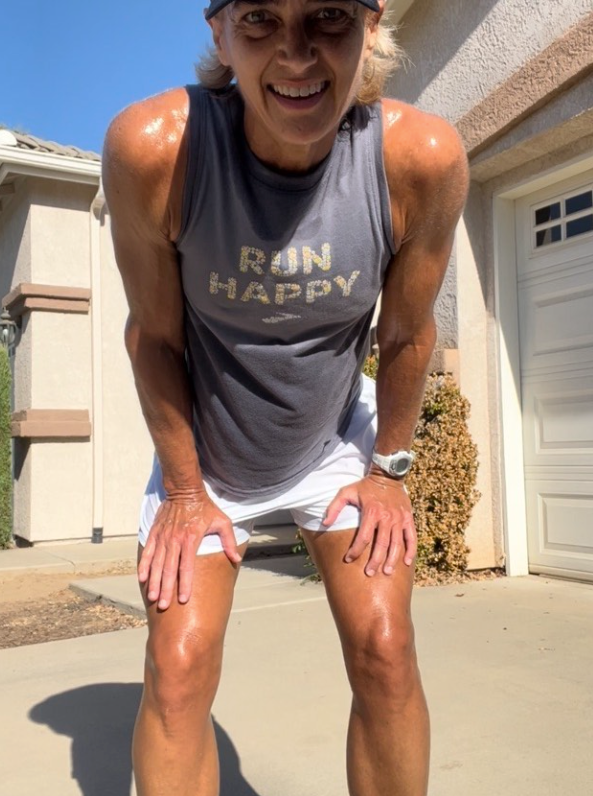
Her work is for the 58-year-old executive who notices stairs getting harder and doesn’t want to admit it. It’s for the 67-year-old grandmother who wants to garden again without worrying about getting back up. It’s for the 74-year-old who feels unsteady at the sink and keeps a hand on the counter “just in case.” It’s for anyone 50+ who wants to trade worry for confidence and limitation for possibility.
If you ask Tracy what she wants people to take from her story, she’ll say this: “Please don’t give up on yourself. You deserve to move through your day with strength and ease. Give me three days a week, a chair, a wall, and your honest effort. I’ll give you a clear path and the confidence to say, ‘I can do this.’”
That’s the heart of Tracy Coke’s work—grounded in science, shaped by family, and delivered with the kind of hope that knows how to count steps, measure progress, and change a life one steady day at a time.